
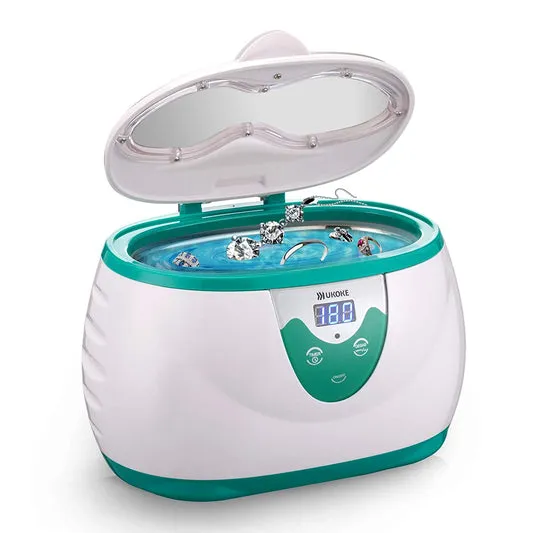
Jewelry often carries memories that make it more valuable than its price. An engagement ring, a birthday bracelet, or a necklace passed down through the family deserves proper attention. However, everyday exposure to skin oils, lotions, dust, and cleaning products can gradually affect its appearance. While regular cleaning helps preserve jewelry, using the wrong method may cause unnecessary damage. Modern cleaning equipment, including the UKOKE ultrasonic jewelry cleaner, offers a convenient option for certain jewelry materials. Understanding safe cleaning practices is essential before choosing any method.
Why Jewelry Loses Its Shine
Jewelry comes into contact with numerous substances throughout the day. Hand creams, perfumes, sweat, and soap residue can collect around gemstones, clasps, and decorative details. These deposits may gradually make otherwise attractive pieces appear dull.
Rings are particularly exposed because people frequently wear them while cooking, washing their hands, and completing household tasks. Regular care can help remove accumulated dirt before it becomes difficult to clean.
Different Materials Require Different Cleaning Methods
Not every jewelry material responds well to water, cleaning solutions, or mechanical vibrations. Gold, silver, gemstones, and plated accessories have different properties that influence which cleaning methods are appropriate.
Delicate materials such as pearls, opals, and certain treated gemstones may be damaged by ultrasonic cleaning. Before using any automated equipment, confirm that the jewelry’s materials and settings are compatible with the intended process.
Understanding Ultrasonic Cleaning Technology
Ultrasonic cleaners use high-frequency sound waves to create microscopic bubbles in a cleaning liquid. As these bubbles form and collapse, they help loosen contaminants from suitable surfaces, including areas that may be difficult to reach manually.
This technology can be useful for compatible jewelry with intricate designs. However, it cannot repair scratched surfaces, tighten loose gemstones, or restore damaged finishes. Its purpose is cleaning rather than repairing jewelry.
Inspect Jewelry Before Every Cleaning Session
A quick inspection can prevent avoidable damage. Examine gemstones, clasps, connecting links, and decorative settings before placing jewelry into a cleaning machine. Loose components may become further damaged during the cleaning process.
If a stone moves or a setting appears weakened, professional inspection is preferable. Jewelry with visible cracks, fragile attachments, or uncertain materials should not undergo ultrasonic cleaning without specialist advice.
Use Suitable Cleaning Solutions
Using an inappropriate cleaning liquid may damage jewelry or interfere with a machine’s operation. Some household chemicals are too aggressive for delicate materials, while other substances may not be approved for particular devices.
Always follow the equipment manufacturer’s instructions regarding acceptable liquids, operating times, and water levels. Avoid using flammable solvents or unapproved mixtures. Gentle, compatible cleaning is generally preferable to unnecessarily aggressive treatment.
Develop Simple Jewelry Care Habits
Cleaning does not need to become a complicated routine. Small preventive measures can reduce the accumulation of unwanted residue and help maintain jewelry’s appearance between cleaning sessions.
Useful habits include:
-
Remove suitable jewelry before applying lotions or perfumes.
-
Store delicate pieces separately to prevent scratches.
-
Avoid wearing valuable jewelry during demanding household tasks.
-
Inspect clasps and gemstone settings regularly.
-
Use cleaning methods appropriate for each material.
These practices can also reduce the frequency of intensive cleaning.
Choose Equipment Based on Your Collection
Before buying a jewelry cleaner, consider the types of items you own. Someone with several compatible metal accessories may have different requirements from a person who mainly wears delicate gemstones or antique pieces.
Tank capacity, operating settings, cleaning duration, and maintenance requirements deserve attention. Consumers can explore product-related information through the UKOKE Reddit profile while comparing specifications and instructions. Understanding these details helps determine whether ultrasonic cleaning is appropriate.
Know When Professional Cleaning Is Necessary
Some jewelry requires more than routine household care. Valuable heirlooms, antique settings, and damaged pieces may benefit from assessment by an experienced jeweler.
Professional services can examine loose stones, worn settings, and structural concerns that ordinary cleaning cannot correct. Seeking specialist guidance is particularly important when the materials or previous treatments are unknown.
Conclusion
Maintaining attractive jewelry requires careful cleaning, appropriate storage, and an understanding of different materials. Although ultrasonic cleaners can provide a convenient solution for compatible pieces, they should never replace basic inspections or professional advice when necessary. Developing consistent care habits can help preserve the appearance of frequently worn accessories while reducing preventable damage. Individuals interested in comparing ultrasonic cleaning equipment can explore available options through UKOKE and review the specifications, operating instructions, and material compatibility guidance before selecting a suitable product for their collection.