
Increasing shopper spending is a challenge for stores. Some use elaborate displays. Others push loyalty programs. However, an old trick is surprisingly effective. Bundle items, price them well, and see sales increase.
Why Accessories Win the Bundling Game
Accessories rule this game, hands down. They’re cheap to stock and easy to move around the store. Plus, they go with everything. Someone buys a purse? Throw in a wallet and keychain as a set. Instant value. That little wallet might cost them two bucks, but it sells for fifteen. Bundle it with something bigger, and the customer barely notices the extra cost. Yet the store just padded its profit nicely. It’s sneaky but not dishonest; everybody wins.
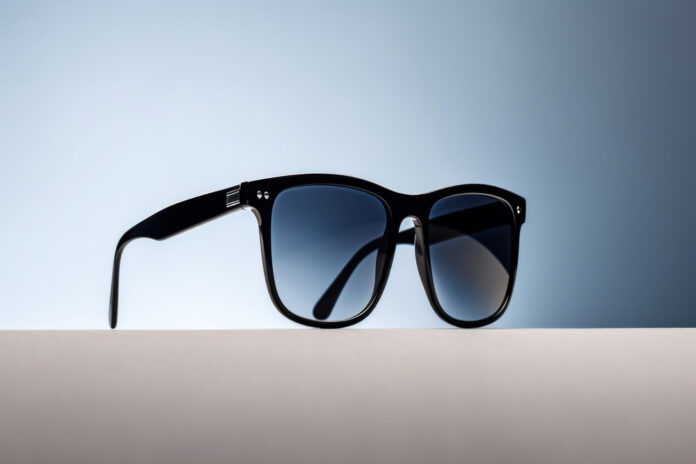
Summer brings out the best bundling opportunities. Stock up on bulk sunglasses from a distributor like OE sunglasses in March, and by June you are pairing them with beach towels and tote bags. Customers eat this stuff up. They’re already thinking about the beach, anyway. Why not grab everything at once? It makes their lives easier and your cash register happier. The magic happens because these combos just make sense. Nobody asks why a scarf comes with gloves. Of course they go together. That natural connection does half the selling for you.
The Psychology Behind Successful Bundles
Here’s a funny thing about how people shop. Show them three items for $75 total, and they hesitate. Show them the same three items as a “bundle deal” for $65, and they grab it immediately. That ten-dollar difference? It might as well be a hundred in their minds. They feel clever, like they beat the system.
Busy parents love this stuff especially. They have soccer practice in twenty minutes and need gear. A bundle with cleats, socks, and a water bottle? Perfect. No thinking required. Sometimes people pay extra just to avoid making decisions.
Building Bundles That Actually Sell
You can’t just throw random stuff together and call it a bundle. The connection needs to be obvious, almost boring in how much sense it makes. Pricing needs some thought too. Too small a discount? Why bother? Too big? You’re giving away money. Most shops find that sweet spot around 15% off. Enough to catch attention without killing profits.
How you show these bundles matters more than people think. Stick them on a table near the front. Put a simple sign up. Let folks see all the items together, touching them, imagining them at home. Way better than some tiny print advertisement at the register that nobody reads. Physical presentation beats everything else. Seeing and feeling the bundle encourages customers to buy.
Making Bundles Work Year-Round
February means Valentine’s bundles. October brings Halloween sets. December? Gift bundles everywhere. Riding these seasonal waves feels natural to shoppers. They’re already in buying mode for these occasions. Yet, a secret is that strange combos occasionally work the best. On rainy days, a shop found that the combo of boots, umbrellas, and mugs sold the most. That combination was unexpected, but customers adored it. Keep track of what sells. Adjust. Try new things. Some bundles will tank spectacularly. Others will surprise you by flying off shelves. That’s retail for you.
Conclusion
Bundling isn’t rocket science. Find products that naturally go together, mostly accessories since they’re cheap and profitable. Price them to save customers a few bucks while still making money. Display them where people can see and touch them. Keep switching things up based on the seasons and what actually sells. Do this right, and those receipt totals start climbing with nobody feeling pushed or pressured. Just good old-fashioned retail common sense that somehow still surprises people with how well it works.